Vietnamese coffee is not one drink, it is a family of them, and the names on the menu tell you exactly how strong and how sweet your cup will be. In Da Nang the local style leans towards robusta, plenty of ice and condensed milk, which is why a single glass can keep you going through a morning at the beach. This guide is the ordering cheat sheet: what each name means, how to ask for less sugar, and where coffee fits into a Da Nang day.
What Vietnamese coffee actually is
Most coffee grown in Vietnam is robusta, a hardier bean than arabica. It tastes bolder, more bitter and more nutty, with less acidity, and it carries a serious caffeine punch. That is why Vietnamese coffee is usually served in small amounts over a lot of ice, or cut with sweetened condensed milk.
The traditional brewing tool is the phin, a small metal filter that sits on top of the glass. Hot water drips slowly through the grounds, which is why a proper cà phê sữa đá takes a few minutes to arrive. Many cafés in Da Nang still use it, others pull espresso shots and build the same drinks from there. Both are normal.
If you want the wider picture of what to eat alongside your coffee, our guide to what to eat for breakfast in Da Nang covers the local plates that go with it.
The ordering glossary
Learn these five names and you can walk into almost any coffee shop in Da Nang.
- Cà phê đen đá: black iced coffee, no milk, no sugar unless you ask. Strong and bitter.
- Cà phê sữa đá: the classic. Strong coffee with sweetened condensed milk, poured over ice. Sweet, thick, intense.
- Bạc xỉu: mostly milk, a little coffee. The name comes from the pale colour. If cà phê sữa đá feels too strong, start here.
- Cà phê muối: salt coffee, a newer favourite. A salted cream layer on top of the coffee, sweet and savoury at once.
- Cà phê trứng: egg coffee, whipped egg yolk over coffee, closer to a dessert. We wrote a whole piece on it: egg coffee in Da Nang.
How to say it
Roughly: ca-fay den da, ca-fay suh da, back soo, ca-fay mui, ca-fay troong. Pointing at the menu is completely fine and nobody minds.
Strength and sugar: how to adjust your cup
Vietnamese coffee is built sweet by default. If you want to change that, these phrases do the work:
- Ít đường: a little sugar.
- Không đường: no sugar.
- Ít sữa: less condensed milk.
- Nhiều đá: more ice, which also softens the strength as it melts.
- Không đá: no ice, served warm or hot.
A useful trick: order cà phê đen đá with condensed milk on the side, then add it yourself. You get the strength you want without guessing.
One practical warning. Robusta is strong, and a large iced coffee at 4pm can keep you awake well past midnight. Many travellers treat Vietnamese coffee as a morning drink for exactly this reason.
How coffee fits into a Da Nang day
Local mornings start early. Coffee comes first, often at a pavement stall on the way to work, then breakfast. Around My Khe Beach the pattern is a swim at sunrise, a coffee, then something to eat. Our breakfast near My Khe Beach plan follows that rhythm.
The beach café quarter of An Thượng, a short walk inland from the sand, is where most visitors end up. It has the highest concentration of coffee and breakfast places in the city, and our An Thượng guide maps it out.
Two local habits worth knowing:
- Ice is standard, even in cooler weather. Ask for không đá if you want it warm.
- Coffee shops are for sitting. Nobody rushes you, and a single glass can buy an hour of shade.
If you are planning around the weather, note that the rainy season runs roughly from September to December, and a long coffee stop becomes the best part of the day. We go into detail in Da Nang in the rainy season.
Prices: what to expect
Local coffee is one of the best value habits in Vietnam. As a rough guide:
- A street stall or simple local café: typically 15,000 to 30,000 VND for cà phê sữa đá.
- A sit-down café with fans, plants and a proper menu: typically 35,000 to 60,000 VND.
- Specialty or brunch-style cafés: typically 45,000 to 75,000 VND, sometimes more for a signature drink.
Prices vary by neighbourhood and by how close you are to the beach. Treat these as rough ranges, not fixed numbers, and check the menu before you sit down.
Coffee at Oh la la!
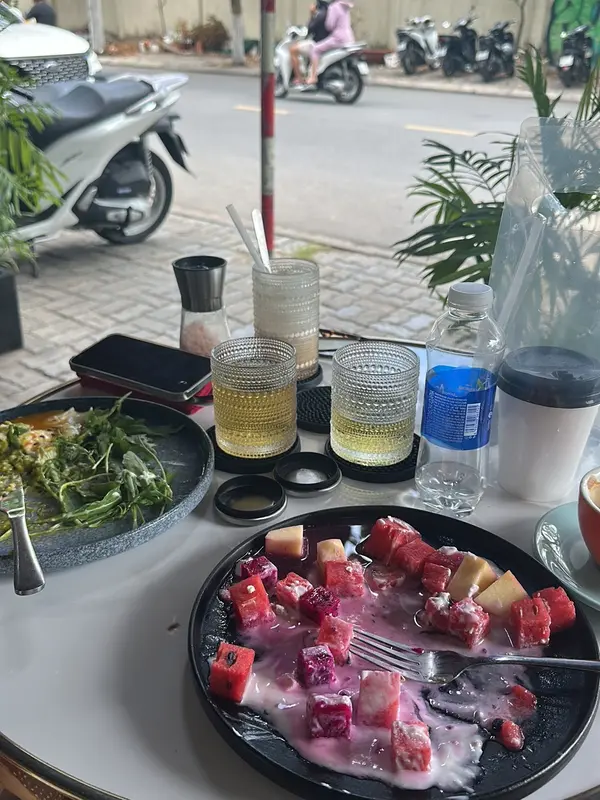
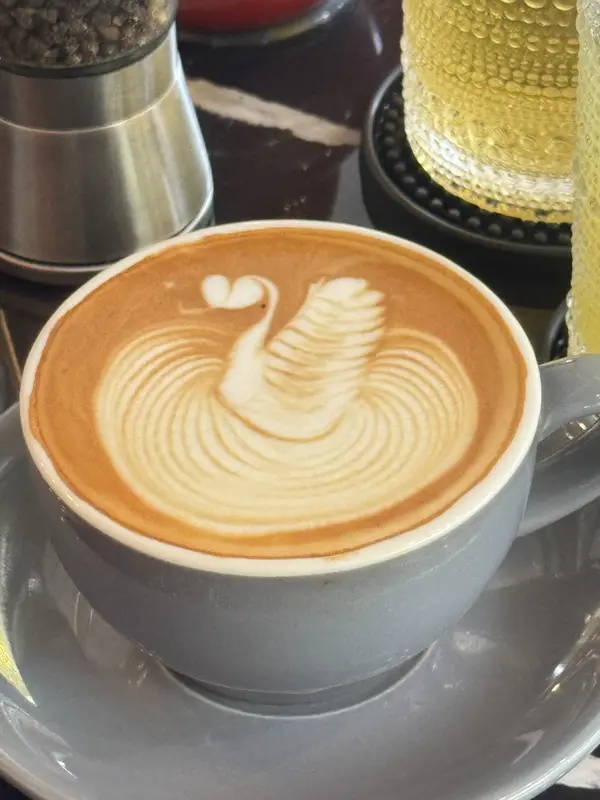
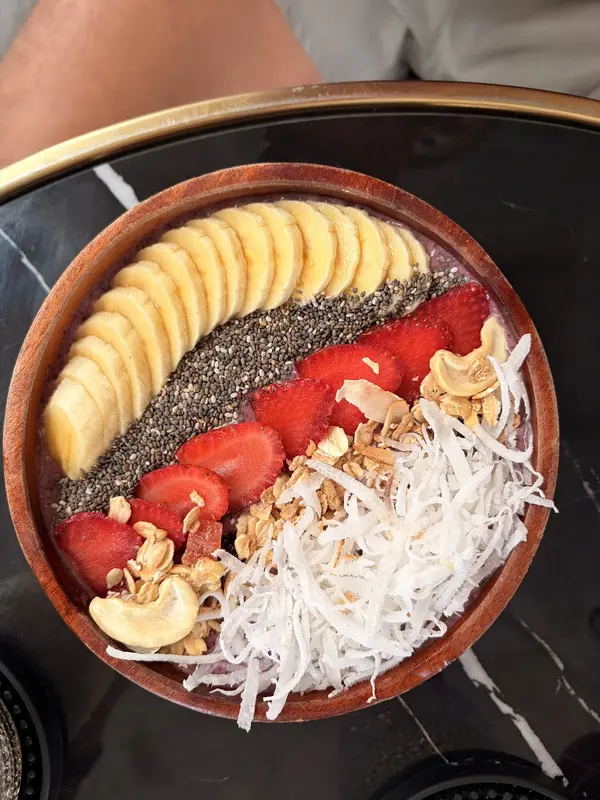
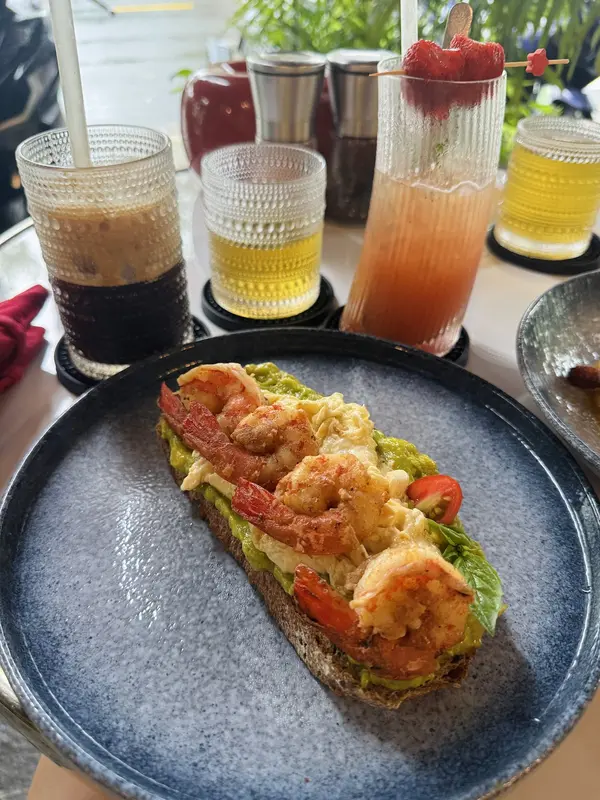
Oh la la! sits at 64A Mai Thúc Lân in An Thượng, a short walk inland from My Khe Beach, open every day, usually 08:00 to 18:00. Vietnamese coffee is on the menu alongside the brunch plates, and guests regularly mention the egg coffee, salt coffee and coconut coffee in reviews. The kitchen also serves a proper latte and cappuccino with latte art if you want a European cup instead.
A few things that help when you visit:
- Coffee comes first when the café is full, with brunch taking about 15 to 20 minutes at busy times.
- The Breakfast Combo is 99,000 VND, toast and a fresh juice of your choice, served 08:00 to 10:30 only.
- Pay by cash or QR bank transfer.
- The terrace is sunny and pretty, sometimes loud and hot, so pick a shaded seat if that matters to you.
- After the meal you can ask for a ticket and spin the prize wheel. Every spin wins something.
- Minh, the owner, comes to the tables and sometimes sends over coconut chips.
The café holds nearly 2,500 Google reviews averaging 4.9 stars, with guests writing in English, Russian, French, Vietnamese, German and Korean. Find the menu at ohlala.space, photos on Instagram, or the location on Google Maps.
If you are building a longer stay around good mornings, our 3 days in Da Nang itinerary and the brunch guide both work coffee into the plan.