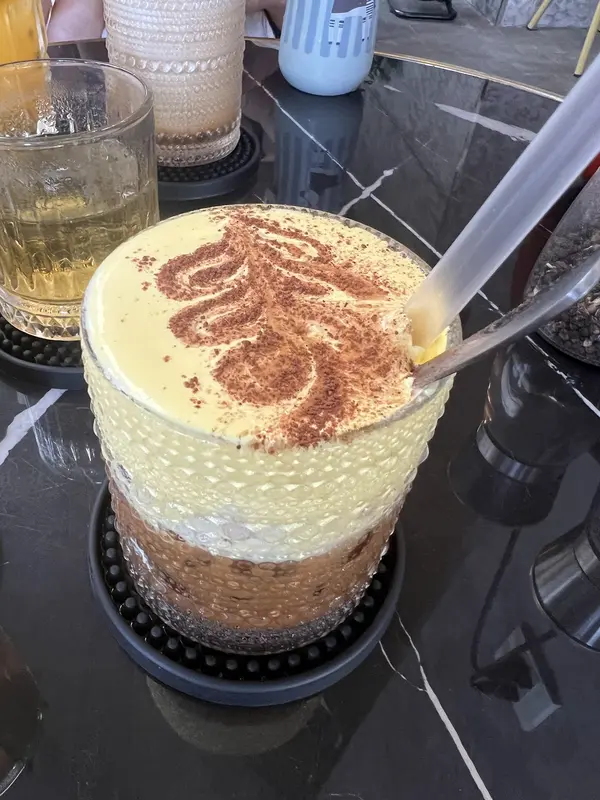
The first sip of egg coffee confuses people. It looks like a cappuccino, it is eaten with a spoon, and it tastes like dessert. Then the strong coffee underneath comes through and it all makes sense. It is one of the great drinks of Vietnam, and Da Nang has plenty of places to try it.
Where egg coffee comes from
The story most Vietnamese tell goes back to Hanoi in 1946. Fresh milk was scarce, and a bartender named Nguyễn Văn Giảng, working at the city's grand French-era hotel, whisked egg yolks with sugar to stand in for milk foam. Guests loved it. He later opened his own café, and his family still serves egg coffee in Hanoi today.
From Hanoi it spread across the country. In Da Nang it is now on the menu of most cafés aimed at travelers, and the quality ranges from airy and silky to dense and overly sweet.
How egg coffee is made
- Egg yolks, sugar and condensed milk are whisked together for several minutes until pale, thick and glossy, like a light custard.
- Strong coffee is brewed, traditionally through a phin, the metal drip filter, usually with robusta beans.
- The foam goes on top, thick enough that a spoon stands up for a moment.
- Hot is traditional. In northern Vietnam the cup often sits in a bowl of warm water to keep it hot. Many cafés also make an iced version for hot days.
The right way to drink it: a few spoonfuls of foam first, then stir it all together.
What egg coffee tastes like
Think tiramisu, or the top of a crème brûlée, poured over a bitter dark coffee. Sweet, creamy and rich, with a roasted, almost chocolate finish from the robusta. A good one is not eggy at all: freshly whisked yolks taste like custard, not breakfast.
Is egg coffee safe to drink?
The yolk is whipped, not cooked, so it is a raw egg product. Good cafés whisk it to order with fresh eggs. If you avoid raw egg, for example during pregnancy, choose another drink. Eggs are one of the allergens handled in our kitchen, together with gluten, dairy, seafood and nuts.
Two more Vietnamese coffees to try in Da Nang
- Salt coffee (cà phê muối). Born in Huế, the old imperial capital north of Da Nang over the Hải Vân Pass. Strong coffee topped with a lightly salted cream. The salt rounds off the bitterness and makes it taste sweeter than it is. Guests mention our salt coffee in reviews again and again.
- Coconut coffee (cà phê dừa). Coffee with blended coconut cream and ice, somewhere between an iced coffee and a coconut milkshake. On a 34 degree afternoon, this is the one.
- The classics. Cà phê sữa đá (iced coffee with condensed milk), bạc xỉu (more milk than coffee) and cà phê đen (black coffee).
Vietnam is one of the world's largest coffee producers and grows mostly robusta, which has more caffeine and a bolder taste than arabica. That is why Vietnamese coffee hits harder than you expect.
How to order coffee in Vietnamese
- Cà phê trứng: egg coffee
- Cà phê muối: salt coffee
- Cà phê dừa: coconut coffee
- Cà phê sữa đá: iced coffee with condensed milk
- Bạc xỉu: milky iced coffee
- Ít đường: less sugar
- Không đá: no ice
A smile and "cảm ơn" (thank you) go a long way.
Egg coffee at Oh la la!
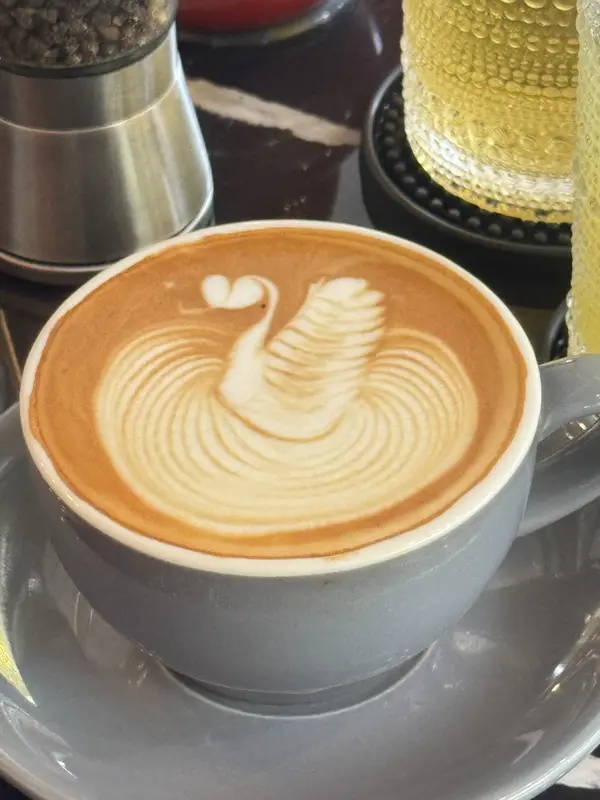
Ours is whipped yolk over robusta, made when you order. It is sweet, so it pairs well with something savory: the Avocado Shrimp Toast, or the Eggs Benedict if you want to go full egg. Prefer espresso? Our lattes come with swan or rosetta art. We are at 64A Mai Thúc Lân in An Thượng, open every day, usually from 08:00 to 18:00. Read the best breakfast in Da Nang guide to plan the rest of your morning.