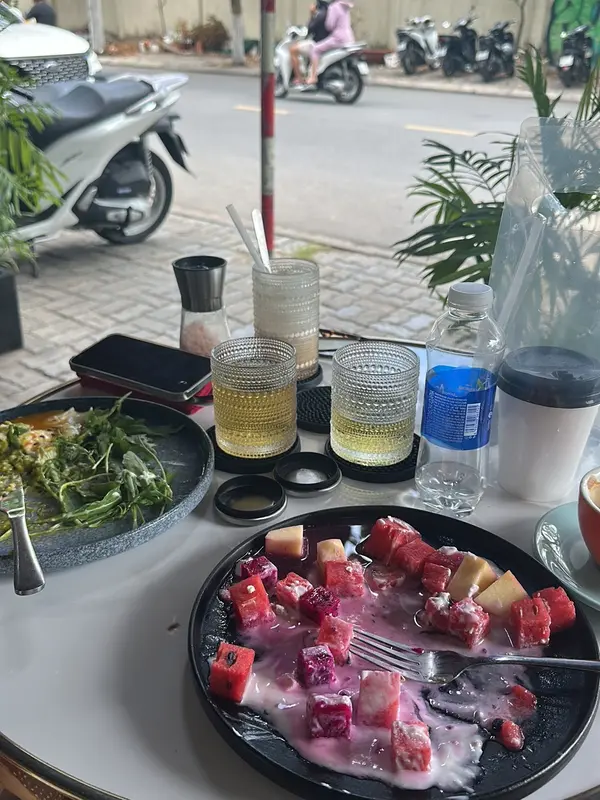
Central Vietnam does its weather differently from the rest of the country. While Hanoi and Saigon have their wet months in summer, Da Nang gets most of its rain late in the year. If you are here in autumn, you will meet it. The good news: a rainy Da Nang is still a great Da Nang, if you plan for it.
When is the rainy season in Da Nang?
- September: the season starts. Hot, humid, with afternoon showers.
- October and November: the core of it. Heavy rain is common, and this is when tropical storms most often reach the central coast.
- December: cooler and often drizzly, with fewer big storms.
- January to August: mostly dry. Spring is mild, and June to August is hot beach season.
Every year is different, so treat these as patterns, not promises.
What the rain is actually like
Most rainy-season days are a mix: grey skies, a heavy burst that floods the gutters, then a dry spell. Some weeks bring days of steady rain. Low-lying streets can flood briefly after a big downpour, then drain within hours. Temperatures stay pleasant, usually in the mid twenties Celsius.
The sea is the biggest change. Waves at My Khe grow tall, currents get strong, and red flags are common. On those days, enjoy the beach from the sand.
Storm days: how to stay safe
Tropical storms (bão) form over the East Sea and are tracked days in advance.
- Follow official forecasts. Vietnam's National Center for Hydro-Meteorological Forecasting publishes warnings, and your hotel will know the local plan.
- Expect closures. Before a storm, shops close early, flights can be delayed and the city prepares. Follow local instructions.
- Stay out of the sea and away from the beachfront in high winds.
- Skip mountain roads after heavy rain. Sơn Trà Peninsula and the Hải Vân Pass can have landslides and fallen trees.
- Keep your phone charged and some extra water at hand.
What to pack
A light rain jacket or a poncho (sold cheaply on every corner), sandals that can get wet, a dry bag for your phone, and a power bank. Leave the suede shoes at home.
Things to do in Da Nang when it rains
- The Museum of Cham Sculpture. By the Han River, home to one of the world's finest collections of Cham art, carved over many centuries. Allow an hour or two.
- A Vietnamese coffee crawl. Egg coffee, salt coffee, coconut coffee. Rain is the best excuse. Start with our egg coffee guide.
- Han Market and Con Market. Covered markets for snacks, fruit, coffee beans and souvenirs. Con Market's food stalls are a meal in themselves.
- A massage or spa afternoon. An Thượng has spas on nearly every street.
- A cooking class. Learn mì Quảng or bánh xèo, then eat your homework.
- Marble Mountains caves. Partly sheltered, dramatic in the mist. The stone steps get slippery, so wear shoes with grip and skip it in a storm.
- A long, slow brunch. Our brunch guide has the timing tips.
Is October or November a bad time to visit Da Nang?
Not if you stay flexible. You trade guaranteed beach days for fewer crowds, greener hills and often better hotel prices. Build each day with an outdoor plan and an indoor backup, keep one or two free days in case of a storm, and save Hội An or Bà Nà Hills for the clearest forecast. Our 3-day itinerary includes rainy-day swaps.
Rainy mornings at Oh la la!
Our terrace on Mai Thúc Lân sits under a bordeaux awning, so you can watch the rain come down over a hot egg coffee or a latte with swan art. We open every day, usually 08:00 to 18:00. On storm days, check our Instagram before you set out.